
GAPP Training Abroad Fellowship
Join MESA in…
JAPAN 2026
Program Dates: May 31st - June 19th
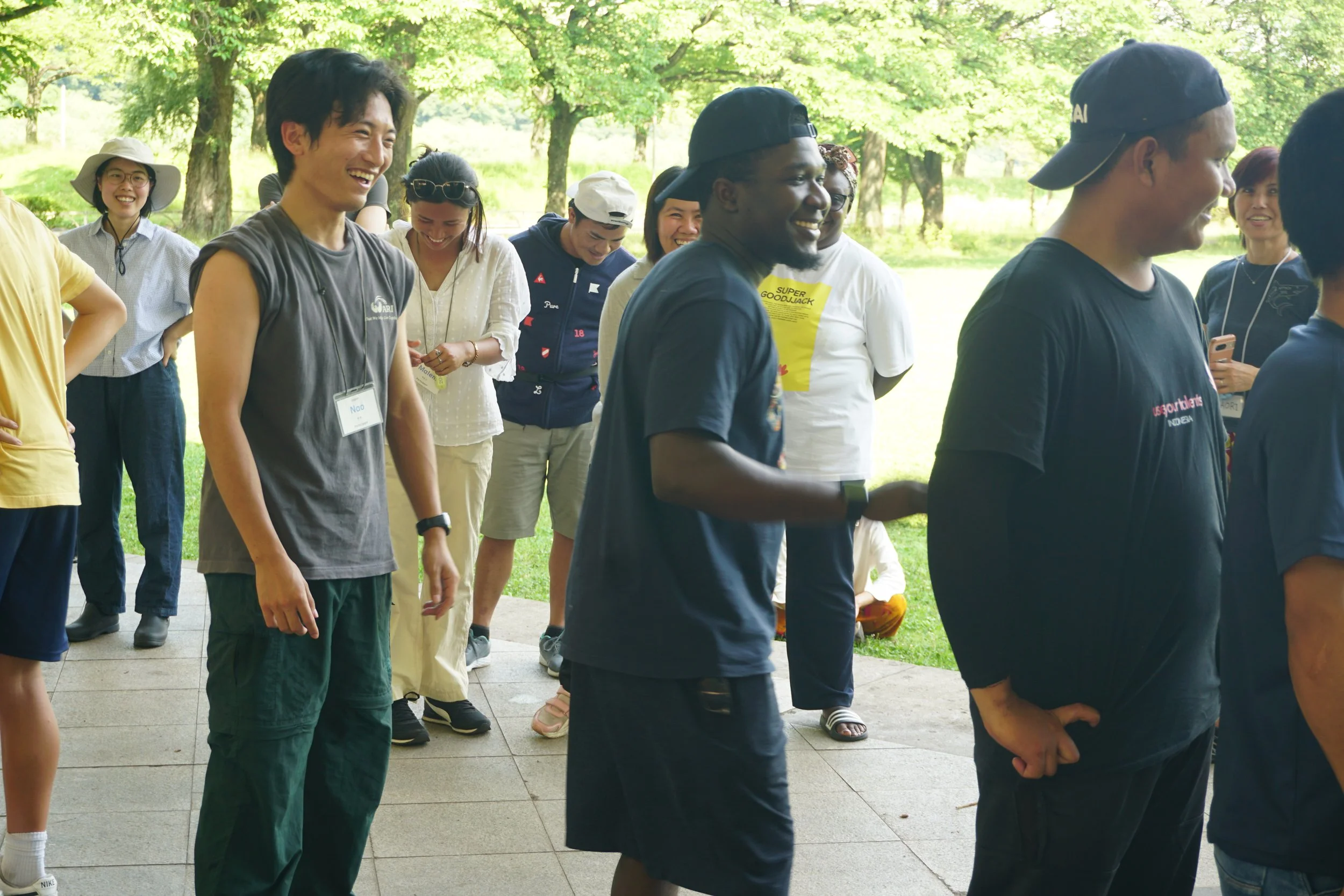
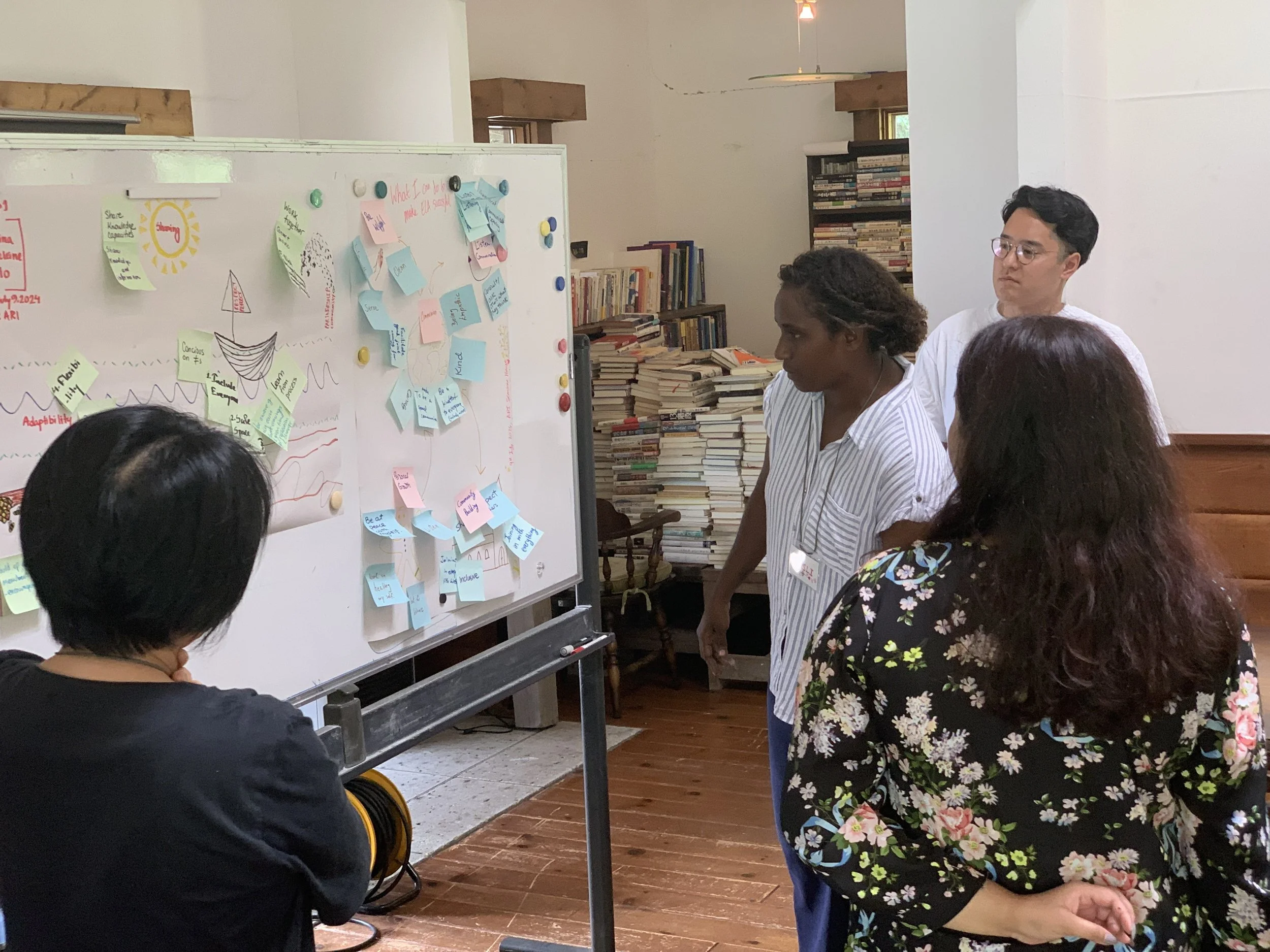
MESA invites you to attend an unforgettable fellowship experience, hosted by our esteemed partners at the world-renowned Asian Rural Institute (ARI) in Tochigi, Japan. Fellows will live, share and train alongside ARI staff and two MESA team members for three weeks, learning and practicing the fundamentals of agroecology and rural community life. Daily training includes hands-on activities, knowledge shares, learner-centered classes, and field trips alongside multinational participants in ARI’s nine-month rural service program. Join us!
Program Summary
Got Questions? email gapp@mesaprogram.org
-or-
Who Should Apply
The GAPP Fellowship is designed for students, current or emerging professionals and community leaders who are passionate about agroecology, sustainable food systems, and rural community life. Ideal applicants are eager to learn through hands-on practice, shared activities, and intercultural exchange. Whether your interests lie in agriculture, environmental studies, community development, faith-based leadership, social entrepreneurship and/or food justice, this fellowship is for you!
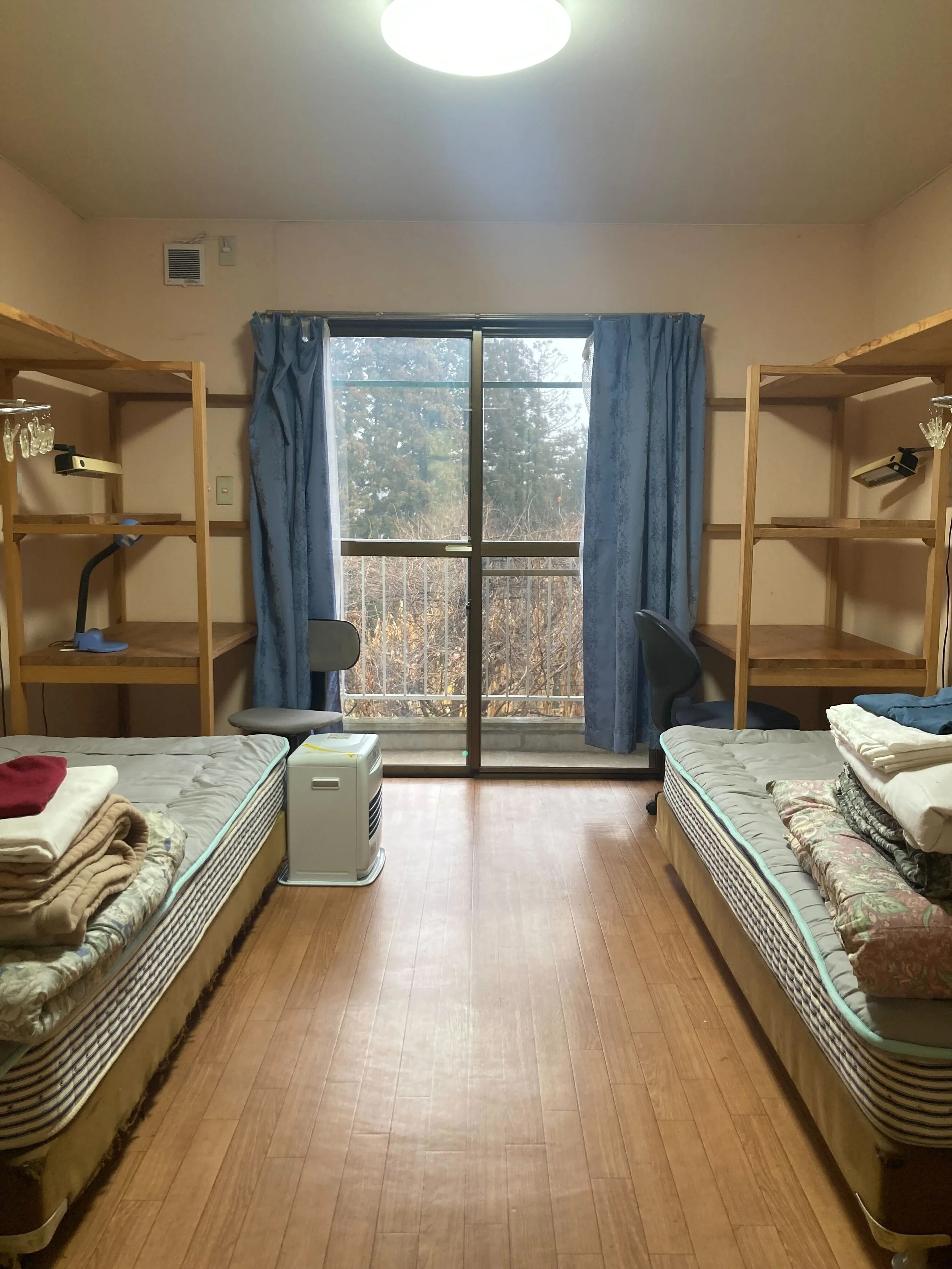
We welcome all who seek to deepen their understanding of regenerative practices in a global context. Participants should be adaptive, physically ready for daily farm-based activities, and comfortable with dormitory-style housing within an intentionally diverse, multinational community.
Through three immersive weeks at the Asian Rural Institute, Fellows will:
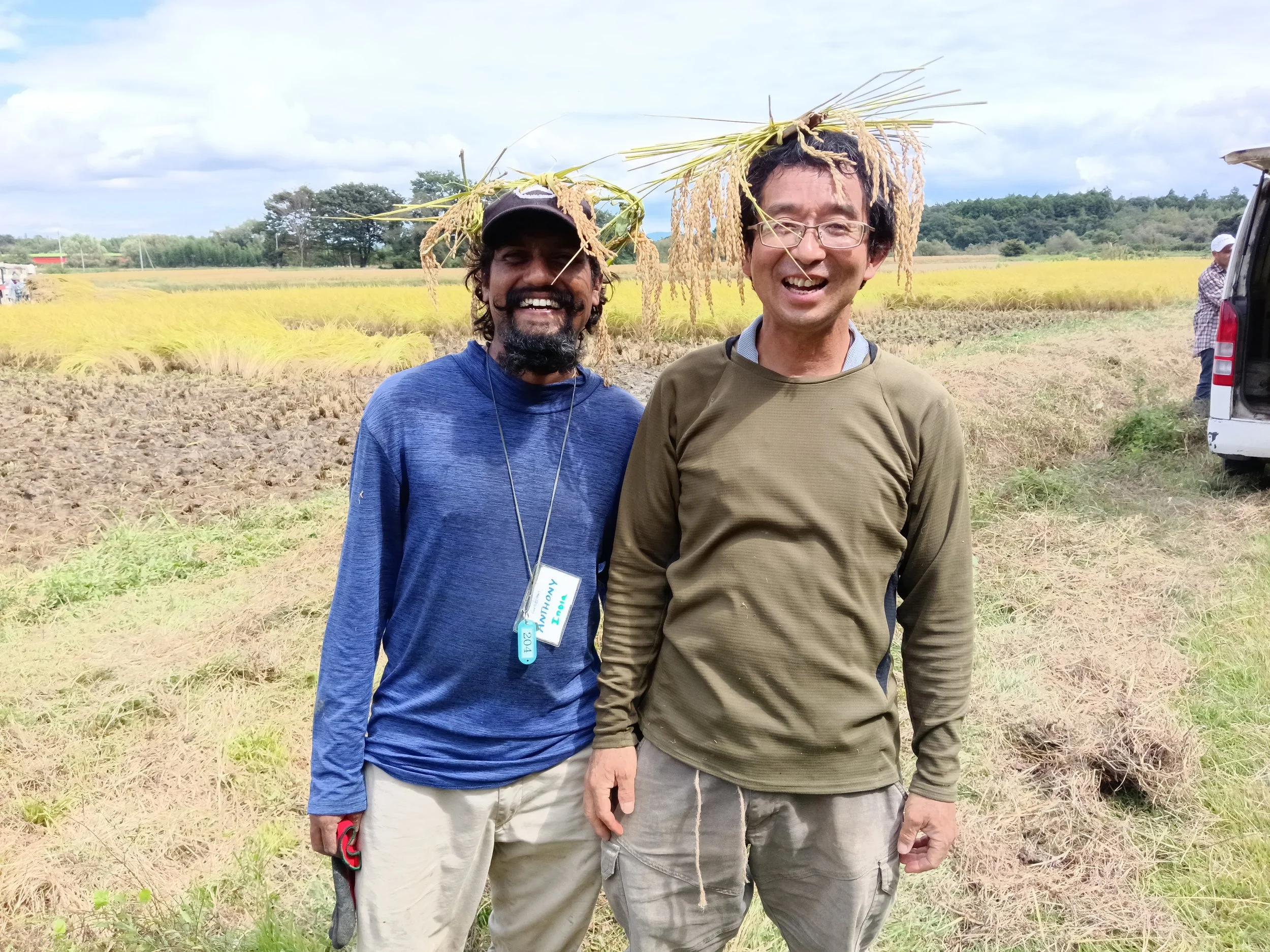
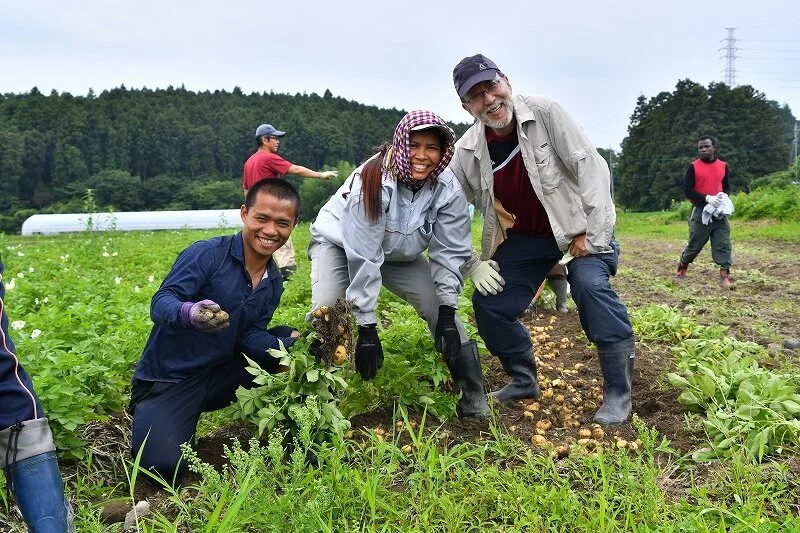
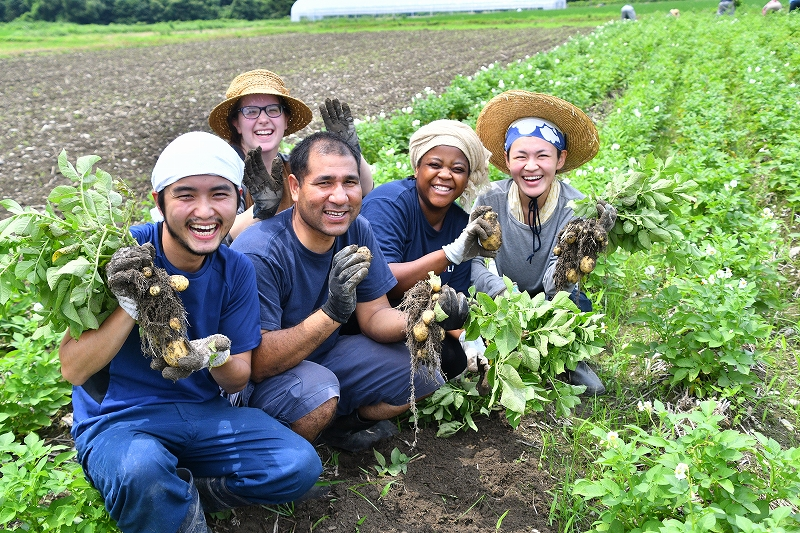
Gain hands-on experience in agroecological practices such as rice cultivation, forest management, and compost production
Learn directly from farmer-to-farmer knowledge exchanges within a global cohort
Develop a practical understanding of sustainable rural community models
Strengthen intercultural communication and collaborative leadership skills
Experience the rhythms of shared work, shared meals, and shared responsibility
Engage with Japanese agricultural history and regional ecological systems through site visits
Reflect on how agroecology connects to other participants’ vocational paths and community contexts
Fellows complete the program with practical agricultural skills, expanded global perspective, and a deeper appreciation for how land stewardship and community life shape resilient food systems. Fellows join MESA’s alumni network of global agroecology advocates and community leaders.
What You’ll Gain
$3800* for all-inclusive GAPP Japan, except int’l airfare.
*Pay your $300 non-refundable deposit by April 1st to receive a $250 early bird discount toward your program balance!
Program Cost
Three-week immersive fellowship experience in Tochigi, Japan
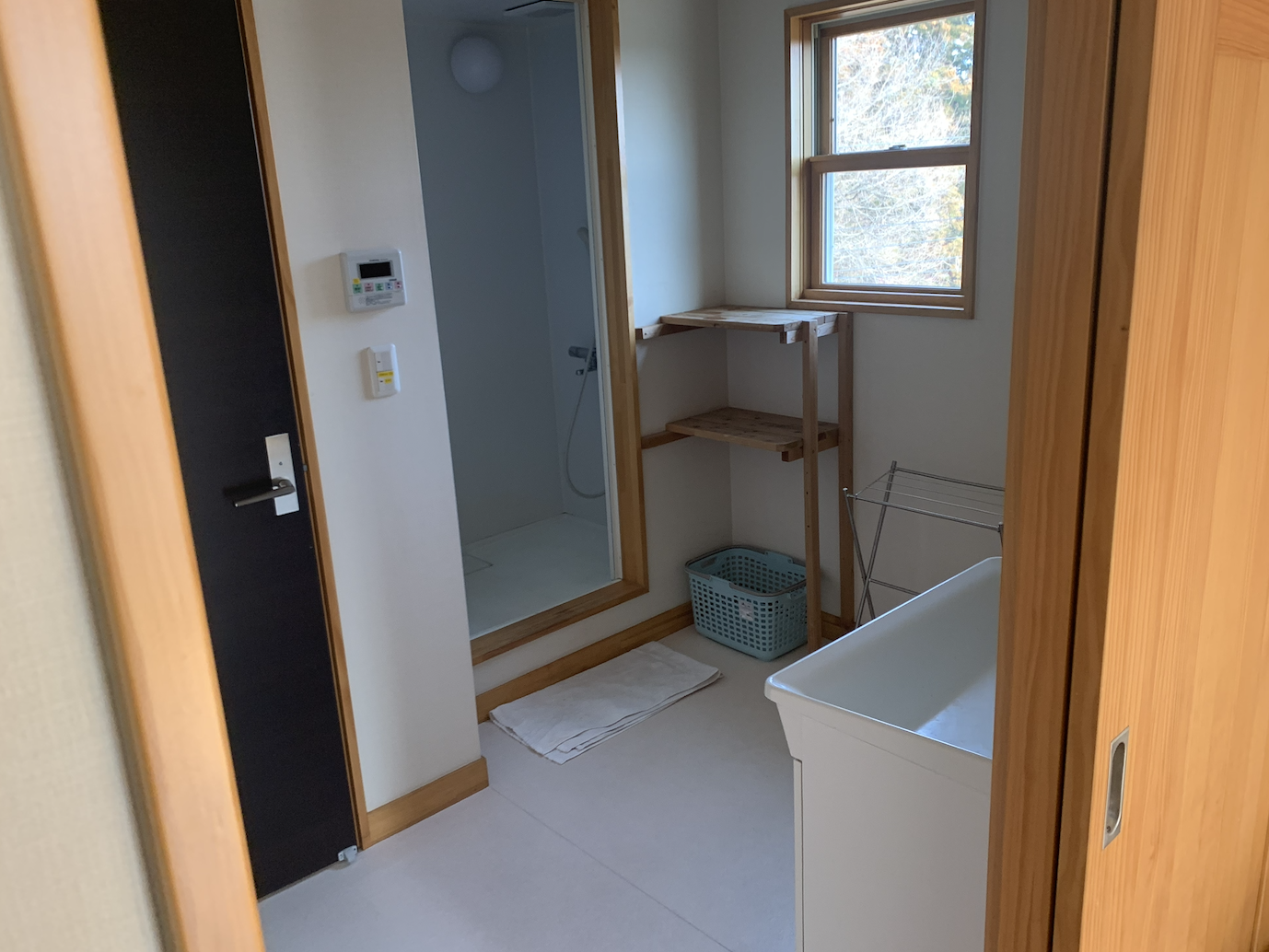
Dormitory-style accommodations with access to shared community spaces, kitchens, shower rooms, and laundry facilities
All daily meals throughout the program
Travel insurance coverage for the duration of the Fellowship
One overnight hotel stay on May 31st prior to June 1st program start
Transportation to and from ARI, plus all program-related site visits (airfare to Japan not included)
Daily workshops, guided activities, and structured fellowship curriculum
Off-campus excursions to ecological and sustainability-focused sites
What’s Included?
Travel Considerations
Fellows must arrive at Narita Int'l Airport on May 31st (May 31st overnight hotel lodging included). MESA staff Emily Kuhn will meet you and assist in all logistics. Fellows travel by bullet train to arrive at ARI on June 1st.
-
GAPP Japan can accommodate 5-10 Fellows, plus two MESA team members, including longtime agroecology course instructor Dr. Frida Endinjok, who will lead several classes at ARI.
-
Yes! MESA and ARI will host two Zoom sessions in the months of March/April and April/May (TBD): a GAPP Japan info. session for all interested, followed by a GAPP Japan Orientation for enrollees
-
The enrollment and $300 deposit deadline is April 20th
-
DEPOSIT DETAILS:
April 20th: $300 non-refundable deposit due
-or-
April 1st: Pay your deposit to receive a $250 early bird discount off the total fee!
FULL PAYMENT DETAILS:
Sunday, May 3rd: Final payment due to secure your spot for GAPP Japan.
-
MESA is able to offer a $250 early bird discount for all who enroll and pay the $300 deposit by April 1st, which brings the total GAPP Japan fee to just $3550, plus airfare.
$500-$800 max. scholarships toward the final GAPP Japan fee are available. Please contact <em@mesaprogram.org> to describe your situation and ask to join our list of scholarship applicants.
-
All training and instruction is conducted in English. While no Japanese language skills are required, we encourage people to learn a few friendly phrases to get acclimated to the experience.
-
Training will include 2-4 hours of daily hands on activities in the fields and/or greenhouses.
-
Participants are expected to attend the full duration of the program. While accommodations for an earlier departure date may be possible, it is especially important to arrive at ARI with your Fellowship cohort on June 1.
-
Your $300 deposit secures your spot and is non-refundable if you opt out for any reason.
Your remaining balance/final fee is fully refundable for opt outs up until April 30th and 50% refundable for opt outs up until May 20th.
Your deposit + program fee will be refunded in the unforeseen event that MESA needs to cancel the program prior to the scheduled start date.
Frequently Asked Questions
More questions? Please contact GAPP Japan group leader Emily Kuhn em@mesaprogram.org
Group Coordinator
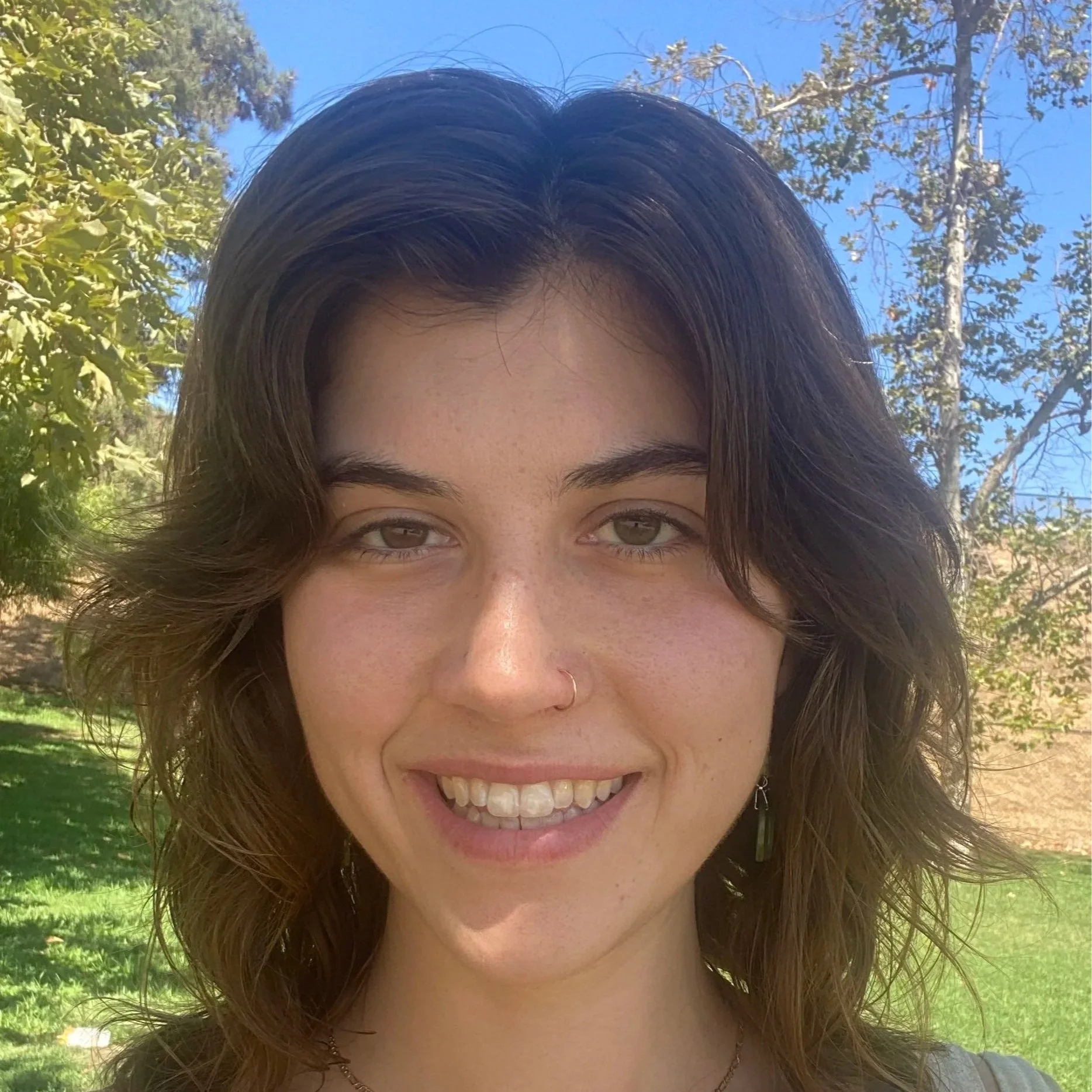
Emily Kuhn joined the MESA team in 2023, freshly invigorated by an agroecology exchange as a Fulbright researcher in Ecuador. After earning her Bachelors’ in Environmental Sociology and Spanish from Pitzer College, she spent a year recording oral histories with Kichwa elders in support of culturally grounded intercultural bilingual education for migrant youth.
Guided by her perennial experiences in community education and rooted in the belief that fresh food is sacred, Em weaves insights from her work as a farmer in Southern California into her facilitation of MESA’s Introduction to Global Agroecology Course.
Course Co-Instructor

Dr. Frida Endinjok will teach a few special agroecology classes in addition to &/or alongside daily classes taught by ARI’s experienced course instructors. Frida is an agroecology instructor with extensive experience teaching and mentoring emerging and current farmers, scholars, and advocates committed to building more sustainable and equitable food systems. She joined the MESA team in 2020 as the Lead Instructor for the CSUN Institute for Sustainability’s first AFFP Cohort and later served as Fellowship Coordinator. Dr. Endinjok holds a Ph.D. and a master’s degree in public health with an emphasis on community health education, as well as a bachelor’s degree in nutrition. Her professional background includes developing and evaluating the “Let’s Grow Healthy” program, which provides hands-on, garden-enhanced nutrition education in elementary schools across Los Angeles, establishing and coordinating an on-campus garden that offers workshops, fresh produce, and community projects, and founding and leading a Food Recovery Network chapter to redirect edible food from landfills to individuals experiencing food insecurity. With over five years of teaching and mentoring experience, she is deeply committed to helping others discover their passions and advocate for sustainable food systems.
Learn more about the Asian Rural Institute (ARI)

Located in Tochigi, Japan, the Asian Rural Institute is a renowned training center dedicated to grassroots rural leadership and sustainable agriculture. Since 1973, ARI has empowered leaders from across Asia and Africa through hands-on learning in organic farming, servant leadership, and community development.
Testimonials
*Quotes from students who’ve trained at ARI through their universities.
“The daily rhythm of life at ARI is full of spirit—rising early, working diligently, sharing meaningful conversations, and gathering around the most nourishing meals. In simply engaging the land and the people around me, I gained far more than I could ever give. The cadence of each day was so productive and deeply satisfying that gratitude became a natural part of every quiet moment on the farm.”
-Clementine S. , ARI Volunteer, USA
“What reshaped me most was the community—learning to listen deeply, to be challenged and encouraged by stories different from my own, to breathe in the mountain air of Tochigi, and even to laugh in a new language.”
-Kayla H. , ARI Volunteer, USA
“Spending each day immersed in meaningful farm work convinced me to dedicate my career to sustainable agriculture. ARI showed me—for the first time—that you can build a dignified, fulfilling life through growing food.”
-Emma M., ARI Volunteer, USA
“At ARI, I learned to see connection through what makes us similar rather than what sets us apart. That perspective is a gift I will carry with me for the rest of my life.”
-Marielle R., ARI Volunteer, USA